A Response to Current Global Challenges
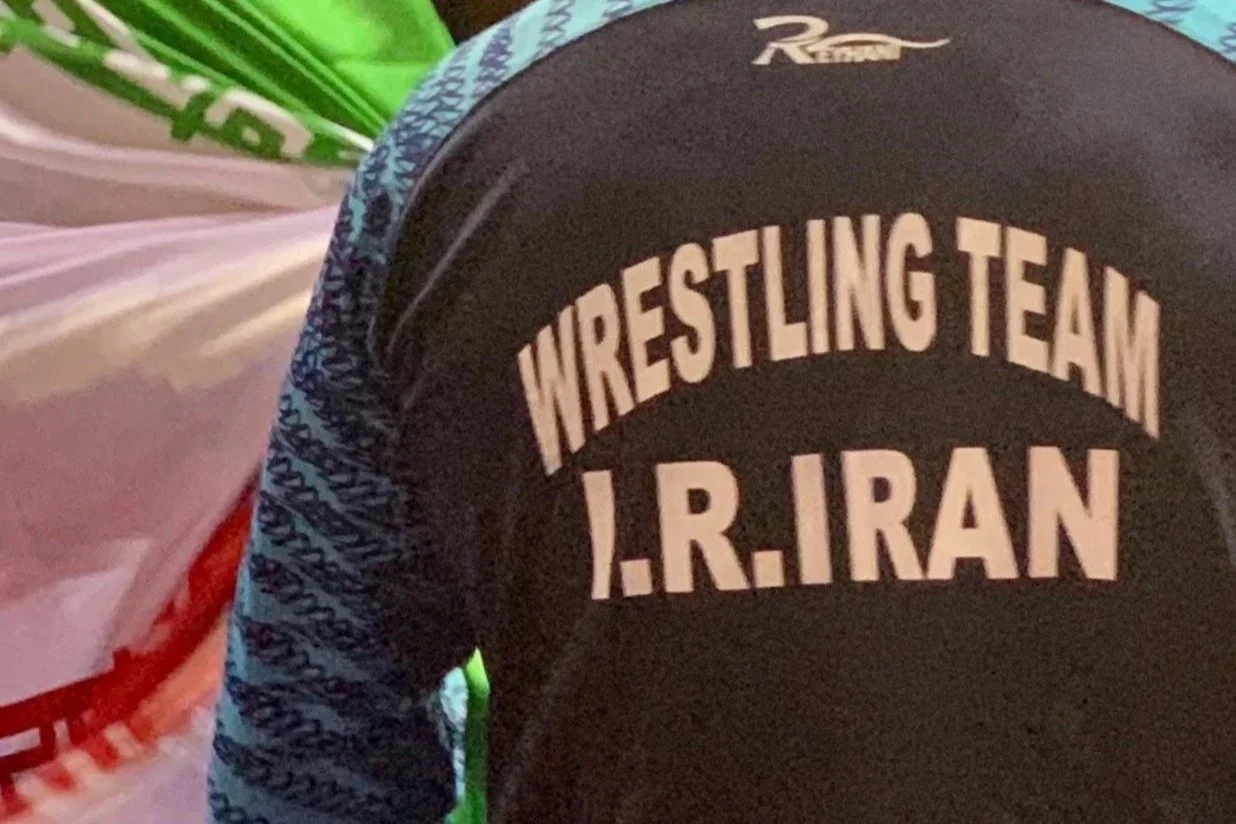
Recent reports calling for Iran to be banned from international sporting events have drawn global attention and strong emotions, particularly within the wrestling community. Informed by decades of experience in international wrestling and personal observations of wrestling culture in Iran, Wrestling for Peace Executive Director, Dan Russell, reflects on what this moment means for athletes and the values that bind the sport together:
“In 2003, I witnessed firsthand the warmth and generosity of Iran’s people while coaching the Takhti Cup for both US Freestyle and Greco teams. I have never felt more honored and welcome. For the month I was there, I received the unmatched hospitality of the Persian people, staying in homes and eating together with families. Learning more of its history, this culture won my respect and admiration….These experiences have taught me that wrestling is much more than competition—it is a connection between hearts, a shared language of discipline, respect, and mutual admiration. This is why reports of people being killed or imprisoned in Iran, including young athletes are especially heartbreaking for me. The loss of young lives and dreams is felt deeply across the entire global wrestling community.”
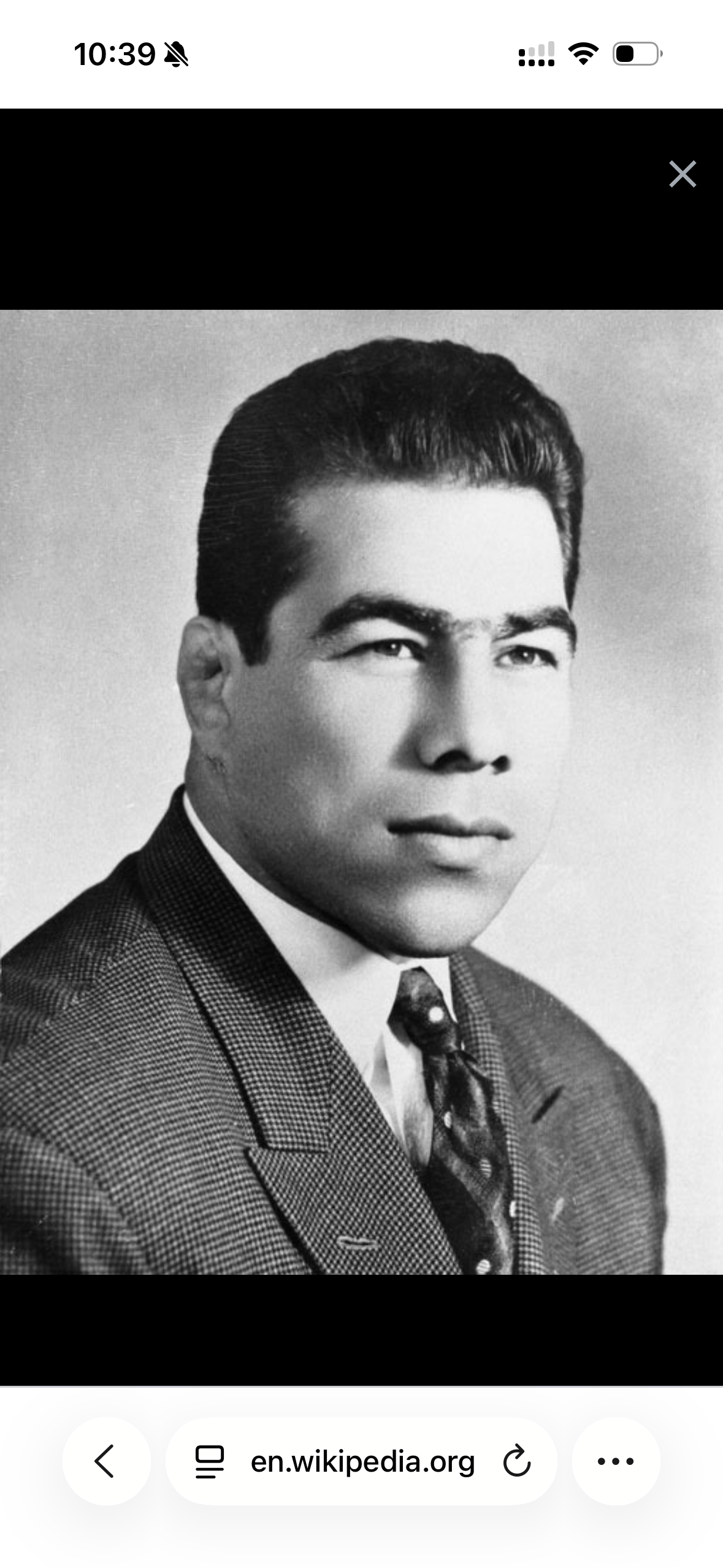
Historically, Iranian wrestlers have carried themselves with humility and honor, representing not only their nation but the entire wrestling family with pride. Olympic and World Champion, Gholamreza Takhti, remains one of the most beloved figures in the sport, not simply for his victories, but for the example he set as a role model. Takhti’s legacy of compassion, service, and courage continues to inspire wrestlers at every level. He stood with the vulnerable, cared deeply for his community, and used his platform to uplift others, demonstrating that the spirit of wrestling includes strength of heart as well as strength of body. His character exemplifies the highest ideals of the sport and informs the objectives of Wrestling for Peace: to ensure that wrestling teaches values that make a meaningful difference in the world.
Wrestling has a rich history of teaching values that transcend the mat. The sport has endured across centuries and cultures because it calls people to higher standards of conduct, responsibility, and mutual respect. These ideals allow wrestling to serve not only as competition but also as a force for understanding and good. In moments of challenge, wrestling calls for wisdom, restraint, and responsibility to humanity. Everyone wrestles.
Our sport is played on an international stage requiring neutrality and thoughtful leadership. Wrestling for Peace recognizes the unique challenges and complexities of sport governance and diplomacy. Institutions such as the International Olympic Committee (IOC), United World Wrestling (UWW), and USA Wrestling face profound challenges when human rights concerns arise alongside athletic opportunity. Decisions involving participation, sanctions, or other measures affect the entire global community, especially those who have dedicated years of training and sacrifice. Wrestling for Peace places its trust in the established processes and good-faith efforts of these organizations to address issues with care for both athlete protection and the integrity of wrestling.
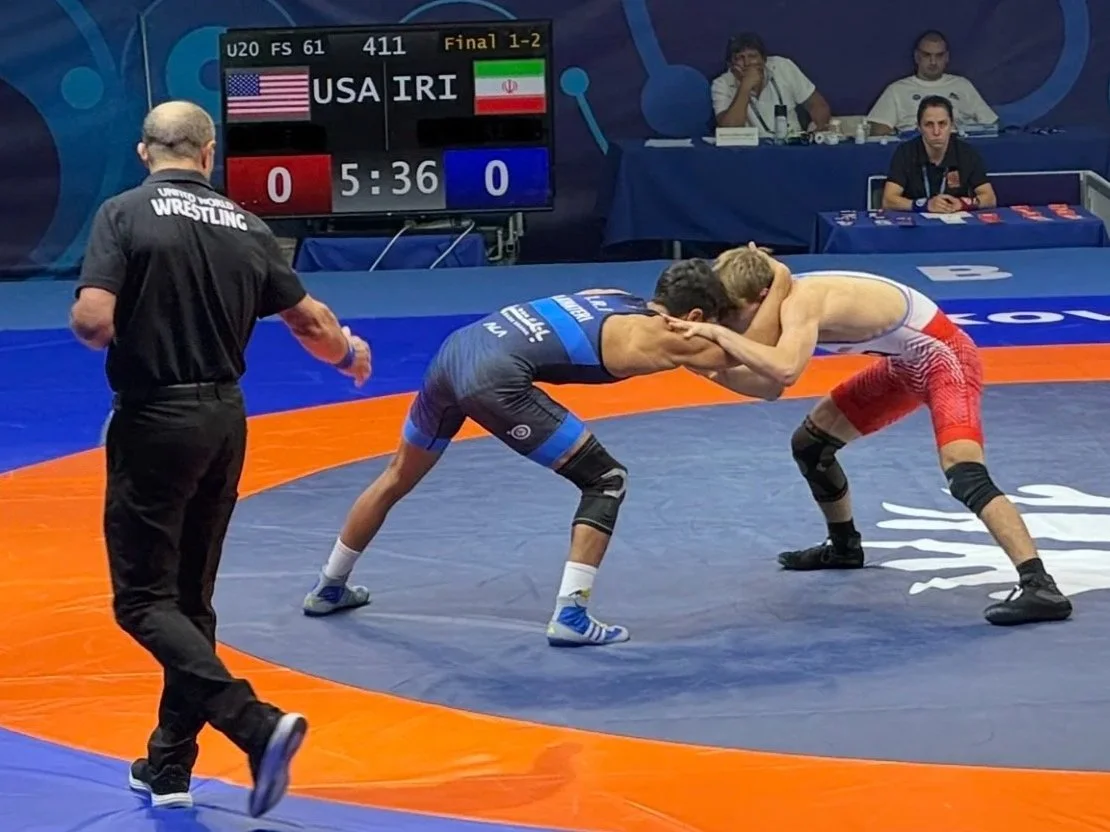
As a global wrestling community, we share a duty to remain attentive to athlete welfare and to respond with care and compassion when fundamental values are tested. The wrestling family measures its strength by the care it shows for the lives entrusted to it. When those standards are tested, the global wrestling family must respond with strength and humility.
Lives matter. People matter. Wrestling can, and must, remain a teacher of values that make a meaningful difference in our world. That is the legacy Wrestling for Peace chooses to uphold.
There is purpose beyond the podium.